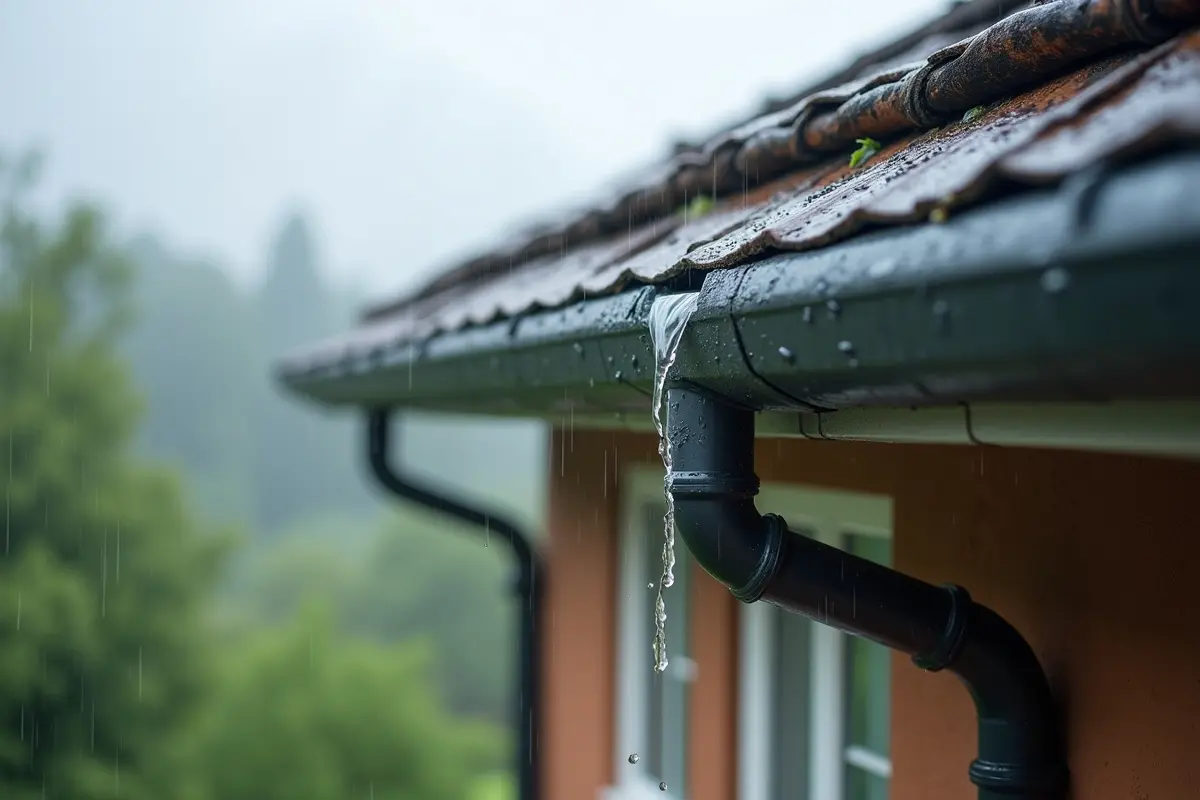
Rain may seem harmless, but it’s one of the biggest reasons roofs fail long before they should. When water can’t flow off a roof the way it’s designed to, it chips away at the features that keep your home protected. Proper drainage is one of the core factors that determines how long your roof will last. Below are some key reasons drainage matters and what every homeowner should keep an eye on.
Prevents Water Damage to the Roof Deck
The roof deck is the backbone of your entire roofing system. When standing water lingers on the shingles or gets pushed backward under the flashing, it eventually finds a way into the deck. Once the wood absorbs moisture, it begins to soften and rot.
By the time someone notices sagging or staining, the problem has likely been there for months. Good drainage keeps water flowing in the right direction, reducing the chance of backflow. Something as simple as keeping valleys clear or ensuring gutters aren’t overflowing can shield the deck from long-term moisture exposure.
Protects Shingles From Premature Wear
Shingles are tough, but they’re not built to hold water. Pooling accelerates the aging process. Asphalt shingles may blister, curl, or lose granules faster than expected. Even metal shingles or panels can corrode if water repeatedly sits in one spot. With proper drainage, water doesn’t get a chance to linger.
Many homeowners assume wear and tear only comes from UV exposure or storm damage, but trapped moisture is a quiet enemy. It’s the areas with slow-moving water, near clogged edge channels, low-slope transitions, or backed-up downsports that show early deterioration.
Reduces the Risk of Interior Leaks
Interior leaks don’t always come from what people expect. Yes, missing shingles or cracked flashing can cause them, but drainage failures are often the underlying reason water sneaks into the attic or ceilings. Once water overflows from the roof’s edge or gets forced under the underlayment, gravity takes over and pulls it into the home.
Proper drainage creates a clear, easy path for water to flow away from your roof without causing damage. A big part of that is making sure your gutters are sized and positioned to handle the kind of rainfall your region typically gets. For example, homes that deal with sudden, heavy downpours often rely on wider-capacity systems, similar to the sturdy gutters Augusta GA homeowners use to keep water moving during intense storms. When gutters can manage that volume, they’re far less likely to overflow and redirect water into places it doesn’t belong.
Protects Fascia, Siding, and Foundation
Water damage doesn’t just affect the roof; it affects everything below it as well. When gutters overflow, water runs down the fascia boards, causing rot. The water eventually pools around the foundation, eroding the soil, stressing the foundation, and creating basement leaks.
Endnote
Your roof can only keep water out of your home when the drainage system is set up and maintained correctly. From protecting shingles and roof decks to preventing interior leaks and safeguarding your foundation, good drainage plays a crucial role in every part of your home’s health.