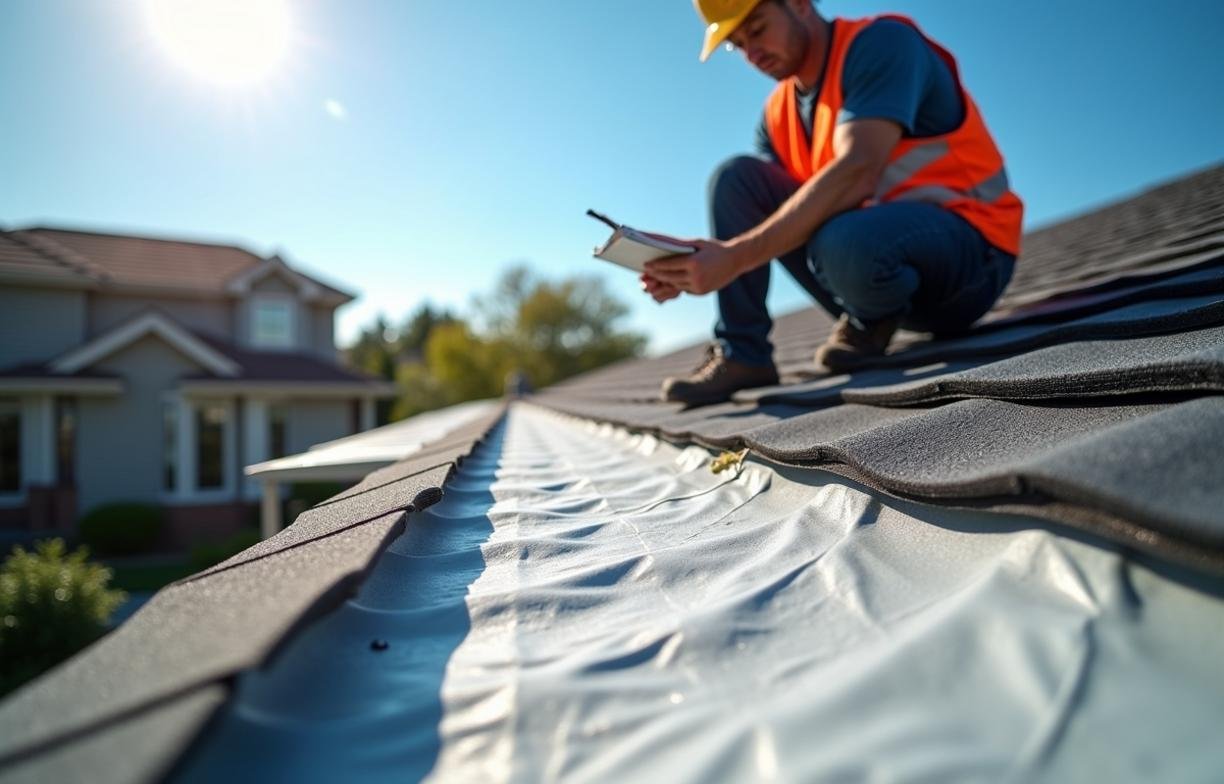
While commonly used nationwide, there are problems with synthetic roof underlayment which present challenges for users. Many people appreciate the lighter weight and increased tear resistance, but these benefits can come with hidden drawbacks that only surface over time. Your roof is a key component of your home’s protection system, so knowing more about common issues can help you avoid expensive repairs down the road.
By looking beyond the shiny marketing claims, you can spot the early signs of trouble and address them before they escalate. In many cases, taking preventive measures or seeking expert advice will save you from unnecessary headaches later.
Potential Pitfalls with Modern Roofing Materials
Modern roofing choices might look like the ideal solution on paper, but every material has limitations. While synthetic layers can outperform traditional felts in certain tests, their performance can vary based on climate, installation practices, and the quality of the product.
Some homeowners wonder if the extra cost of advanced underlayment is truly worth it. If the material doesn’t mesh with your local conditions, the benefits that manufacturers promise may not be fully realized. Steps like checking wind ratings and understanding how the product interacts with your roof deck can help you avoid costly missteps.
The Role of Proper Ventilation
Airflow plays a vital part in maintaining a healthy roof. Even when using newer products, a lack of ventilation can lead to excess heat and moisture. Over time, that trapped moisture can undermine the synthetic layers beneath your shingles. When these layers stay damp, they could degrade faster or lose their ability to shed water properly. Adding vents in areas like attics or eaves can allow warm air to escape, preserving the lifespan of the underlayment.
The Risk of Overlooking Manufacturer Guidelines
Each manufacturer has its own set of instructions, but it’s easy for installers to go on autopilot. Skipping recommended fasteners or using the wrong adhesive can undercut the underlayment’s protective barrier. Another oversight is how the underlayment seams are taped or sealed. If these seams are poorly secured, water can sneak in during storms. Following brand-specific guidelines is one of the best ways to ensure your synthetic roof underlayment holds up as intended.
Common Issues with Synthetic Materials
Synthetic sheets are often lauded for their resistance to rips and tears. In reality, this resilience can be compromised by heat, UV exposure, and foot traffic during installation. Some versions have a slick surface that becomes more treacherous when wet. A small misstep can lead to accidents or cause the material to move or wrinkle during the roofing process.
Certain brands might promise universal compatibility with all roofing types. However, not all synthetic sheets are created equal. Local temperature swings, intense sun, and seasonal storms can test the limits of lower-quality options. If the material warps or shrinks under prolonged stress, it can cause wrinkles that let water pool and seep in.
Impact of Prolonged UV Exposure
Sunlight bears down on any uncovered underlayment during construction, and not every synthetic product handles those rays the same. Some can remain stable for several weeks, while others start to weaken if left uncovered for more than a few days. This degradation might not be obvious in the beginning, which can lead contractors to assume the material is still structurally sound. Once you add shingles on top, that slightly compromised layer remains hidden. Months or years later, you might find that it fails to keep out moisture when you need it most.
Problems with Slippery Surfaces
A certain level of slip resistance is crucial for roofers and DIYers. Many synthetic layers do offer traction, but on particularly hot days or in damp conditions, that grip can diminish quickly. For roofing professionals, any slip could be dangerous. For homeowners trying to tackle small repairs, it can be nerve-wracking and risky. Selecting an underlayment with a reliable anti-skid coating can make a big difference, both for safety and for avoiding accidental tears that occur when people lose their footing.
Installation Errors That Create Headaches
How well your underlayment performs has a lot to do with who’s putting it on the roof. Even a top-of-the-line product can falter if it’s installed incorrectly. This includes errors like failing to overlap the sheets sufficiently or missing critical spots where water can seep in around chimneys and vents. Investing in professional installation might feel more expensive at first, but it often prevents bigger headaches like leaks or mold later.
Poorly executed installations can also fuel debates about whether synthetic solutions are truly worth the cost. If contractors use subpar methods, they might blame the material if something goes wrong. In reality, many leaks stem from nails that are hammered in at the wrong angle, or from underlayment that’s been exposed to the sun for too long before shingles are applied. Good communication and attention to detail can limit these pitfalls.
Fastener Mishaps
Nails driven too deeply or not deep enough can create major vulnerabilities in your roofing system. Over-driven nails might tear right through the synthetic layer, leaving tiny holes for moisture to exploit. On the other hand, nails that stick up cause uneven surfaces where shingles don’t lay flat. This unevenness can lead to wind uplift, making your roof more susceptible to damage. Checking fastener depth and angle might feel tedious, but it’s a small measure that can protect your home from the elements.
Insufficient Overlap
Most synthetic roof underlayment products require specific overlap measurements to ensure a seamless layer of protection. If the overlap is too small, water that runs horizontally during heavy rain might find its way under the edges. This is especially risky on roofs with lower pitches where water doesn’t run off as quickly. Ensuring that each course of underlayment overlaps properly is one of the simplest steps to safeguard your roof.
Evaluating Longevity and Maintenance
One advantage of synthetic layers is their potential for a longer lifespan compared to traditional felt. But that upper limit is often contingent on how well the roof is maintained over the years. Gutters clogged with debris can lead to standing water, which may penetrate the edges of the underlayment. Periodic roof inspections allow you to spot minor wear or damage before it spirals into a major issue. Even if your synthetic layer is rated for decades, neglect can cut that timeframe drastically.
Relying solely on warranties offers a false sense of security. Many warranties have strict conditions, and if you’ve failed to follow recommended upkeep or used different shingles than suggested, you might void the coverage. Keeping documents related to your roof’s installation and repairs can make it easier to prove you’ve done your part. This attention to detail ensures that if you do need to make a warranty claim, you’re less likely to face delays or rejections.
Balancing Innovation with Practical Concerns
While synthetic options continue to evolve, it’s important to weigh just how these products fit into the real-world challenges of roofing. Cost, quality, and local climatic conditions all play significant roles. You might be drawn to a product’s marketing claims, but verifying its field performance can save you from unwelcome surprises.
A good approach is to consult both unbiased experts and neighbors who’ve tried the same or similar products. Local contexts matter: a product that thrives in a dry climate might fail in a damp, humid environment. Keeping these factors in mind helps ensure you choose the right balance of innovation and practicality for your unique situation.
Importance of Ongoing Inspection
Even the best underlayment materials can’t shield your roof from every possible problem. Seasonal inspections help you spot damage from storms, fallen branches, or small animals. By catching splits, rips, or loose fasteners early, you stand a better chance of avoiding widespread leaks that lead to mold or structural decay. Regular checkups also give you insights into how the underlayment is aging, so you can plan ahead for maintenance or replacement.
Your roofing contractor may suggest an inspection schedule based on your region’s weather patterns. Depending on factors like high winds or frequent storms, you might need more than one inspection per year. In the end, consistent monitoring remains the best way to protect your investment and keep your home safe from moisture-related damage.
Deciding What’s Right for Your Roof
Different homes have different needs. In some cases, synthetic layers might be exactly what you want for added protection and reduced weight on the roof. In other scenarios, particularly where extreme temperatures or specific roof shapes are involved, traditional felt or hybrid options might be more reliable. The key is researching how the material will perform in your local area rather than simply following trends.
If you do opt for synthetic options, it’s wise to choose a reputable product with a track record. Look at the experiences of other homeowners in your region and listen to feedback from seasoned contractors. Make sure you also verify how to correctly install and maintain the underlayment. Paying attention to these essential details helps mitigate the most common problems that come with synthetic roof underlayment over time.
Synthetic Roof Underlayment FAQ
What Are the Disadvantages of Synthetic Roof Underlayment?
Synthetic roof underlayment is generally more expensive upfront than traditional felt, which can increase initial material costs. It can also be slippery when wet, creating a safety hazard for installers if proper precautions are not taken. Additionally, not all synthetic products are compatible with every roofing system, so manufacturer guidelines must be followed closely.
What Roofing Underlayment Is Best?
The best roofing underlayment depends on your climate, roof type, and budget. In many modern installations, synthetic underlayment for roof systems is preferred due to its durability, tear resistance, and lighter weight. However, in certain situations such as historic homes or short-term builds, traditional felt may still be a practical option.
Will Synthetic Underlayment Leak?
Synthetic underlayment itself is designed to be highly water-resistant and does not typically leak on its own. Leaks usually occur due to improper installation, damaged sheets, or unsealed fastener penetrations. When installed correctly, it provides an effective secondary moisture barrier beneath the roofing material.
What Is the Lifespan of Synthetic Underlayment?
The lifespan of synthetic underlayment is generally much longer than traditional felt, often lasting 25 to 40 years depending on the brand and exposure conditions. Many synthetic products are resistant to UV rays for several months, allowing flexibility during construction. However, its actual service life also depends on proper installation and roof ventilation.
Can Synthetic Roof Underlayment Get Rained On?
Yes, synthetic roof underlayment can safely get rained on during installation without losing its protective properties. It is designed to repel water and dry quickly without absorbing moisture. Still, roofs should not be left uncovered beyond the manufacturer’s specified exposure limits.
Should I Use Felt or Synthetic Underlayment?
Choosing between felt and synthetic underlayment depends on cost, performance expectations, and local building codes. Felt is cheaper and widely available, but it is heavier and more prone to tearing and moisture absorption. Synthetic options offer superior strength and longevity, making them a better long-term investment for many homeowners.
How Many Layers of Synthetic Underlayment?
Most roofing projects require only one layer of synthetic underlayment when installed according to manufacturer specifications. Multiple layers are usually unnecessary unless specified for low-slope roofs or enhanced weather protection. Always follow local code requirements and product guidelines to determine the correct application.
What Is the Best Breathable Roof Underlay?
The best breathable roof underlay is one that allows water vapor to escape while still blocking liquid moisture from entering. High-quality synthetic breathable membranes are often preferred because they balance vapor permeability with strong water resistance. Performance varies by brand, so checking permeability ratings is important.
How Do I Know If My Roof Underlayment Is Bad?
Signs of bad roof underlayment include visible tearing, wrinkling, or water stains on the roof deck or attic ceiling. Mold growth, persistent leaks, or soft spots in the roof structure may also indicate underlayment failure. A professional inspection is often the most reliable way to confirm its condition.