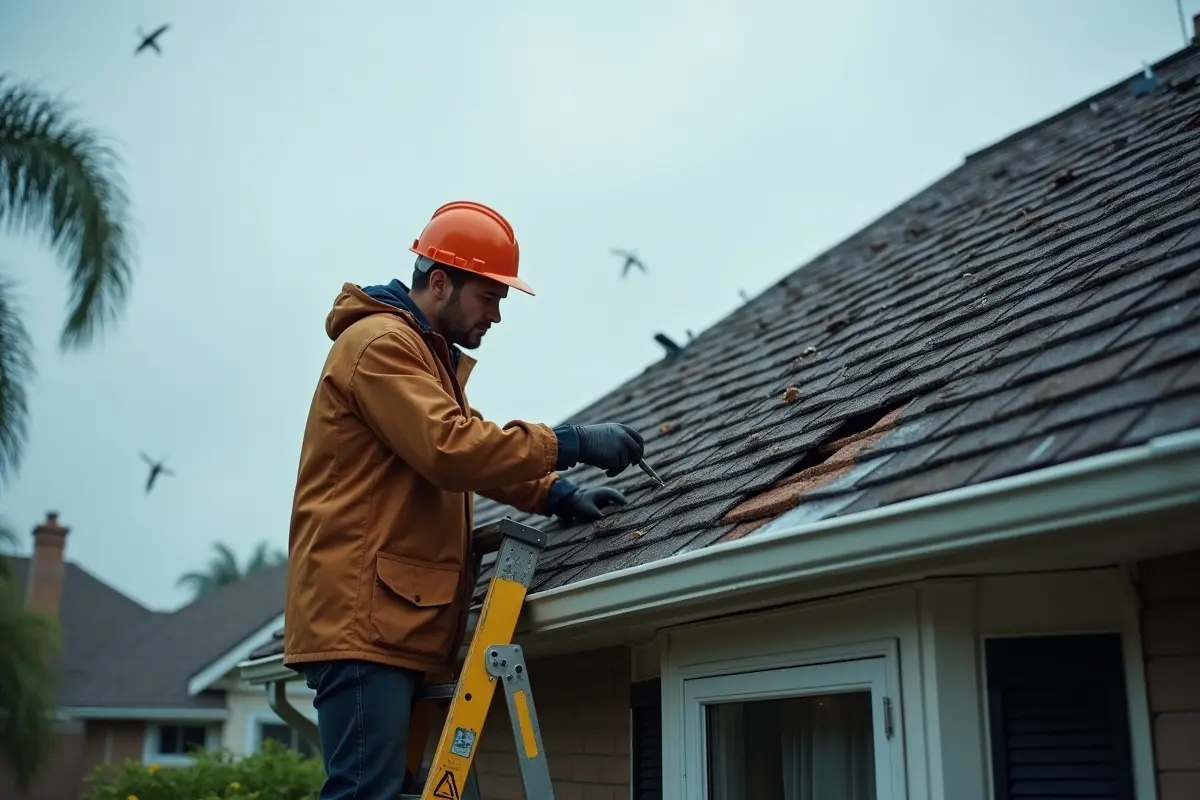
Storms across North Texas can cause significant roof damage—but in many cases, homeowners don’t realize there’s an issue until it becomes expensive.
After a hailstorm or high-wind event, it’s common to assume everything is fine if there’s no visible leak. In reality, most roof damage starts small and worsens over time, often going unnoticed for months. By the time the problem becomes obvious, the cost of repairs has typically increased, and in some cases, insurance coverage becomes more complicated.
Understanding how storm damage actually develops—and what to look for—can help you avoid unnecessary expenses and make informed decisions about your home.
1. The Most Common Types of Storm Damage
Storm-related roof damage typically falls into three primary categories, each with different long-term implications.
Hail Damage
Hail is one of the most common causes of roof damage in North Texas. Even relatively small hailstones can:
- Create bruising or soft spots in shingles
- Knock off protective granules
- Weaken the structural integrity of roofing materials
This type of damage often isn’t obvious from the ground, but it can significantly shorten the lifespan of your roof.
Wind Damage
High winds can compromise your roof in ways that aren’t immediately visible. Common issues include:
- Lifted or partially detached shingles
- Broken adhesive seals
- Exposure of underlying materials
Once shingles are lifted, even slightly, your roof becomes more vulnerable to water intrusion during future storms.
Debris Impact
Storms frequently send branches and debris airborne. When these objects strike your roof, they can cause:
- Cracked or broken shingles
- Punctures in roofing systems
- Damage to flashing or ventilation components
Unlike hail or wind damage, debris impact is often localized—but can be more severe.
2. Why “No Leak” Doesn’t Mean “No Damage”
One of the most common misconceptions homeowners have is:
“If my roof isn’t leaking, everything must be fine.”
This assumption leads to delayed action—and higher costs.
Storm damage often affects the protective layers of your roof without immediately allowing water inside. Over time, however, exposure to heat, rain, and additional weather events worsens the damage. Eventually, what began as minor surface-level issues can turn into leaks, mold, or structural deterioration.
By the time water is visible inside your home, the underlying problem has usually been developing for weeks or months.
3. What Insurance Companies Actually Look For
When evaluating storm-related claims, insurance companies focus on functional damage, not just cosmetic wear.
That includes:
- Shingle bruising that affects performance
- Granule loss exposing the underlying asphalt layer
- Evidence of wind lift or seal failure
- Impact damage to soft metals like vents or flashing
The challenge is that many of these indicators aren’t obvious to homeowners.
If you’re unsure whether your roof meets these criteria, scheduling a professional roof inspection for your North Texas home can help determine whether damage exists and whether a claim may be warranted.
4. Signs You Can Check Without Climbing on Your Roof
While a full inspection should always be handled by a professional, there are several signs you can safely look for from the ground.
- Dark or inconsistent patches on your roof
- Granules collecting in gutters or near downspouts
- Dents or damage on metal components like vents or flashing
- Pieces of shingles found around your property
- Nearby homes undergoing roof repairs after the same storm
These indicators don’t confirm damage on their own, but they can signal that your roof may need a closer look.
5. Why Timing Matters More Than Most People Realize
Timing plays a critical role in both repair costs and insurance outcomes.
Delaying action after a storm can lead to:
- Insurance claims being denied due to late reporting
- Difficulty linking damage to a specific storm event
- Increased deterioration from ongoing exposure
- Additional interior damage that could have been avoided
In storm-prone areas like North Texas, multiple weather events can occur within a short period of time. This makes it even more important to document potential damage early, before it becomes harder to attribute.
6. The Financial Impact of Waiting
Many homeowners delay inspections because they assume it will lead to unnecessary expenses. In reality, the opposite is often true.
Early detection can:
- Allow minor repairs before damage spreads
- Improve the likelihood of insurance coverage
- Prevent secondary issues like water damage or mold
- Extend the lifespan of your existing roof
Waiting, on the other hand, often results in:
- Larger repair scopes
- Out-of-pocket costs that could have been avoided
- More complex insurance situations
7. When You Should Take Action
You should consider having your roof evaluated if:
- A hailstorm or high-wind event recently occurred in your area
- Your roof is more than 5–7 years old
- You notice any of the signs listed above
- Other homes in your neighborhood are being repaired or replaced
Even if no immediate damage is visible, getting clarity early allows you to make better decisions and avoid surprises later.
Final Thoughts
Storm damage doesn’t always present itself in obvious ways, but that doesn’t make it any less serious.
Homeowners who take a proactive approach tend to avoid larger repair costs, navigate insurance claims more effectively, and maintain the long-term integrity of their homes.
The key is understanding that what you can’t see from the ground is often what matters most—and taking action before minor issues turn into major problems.