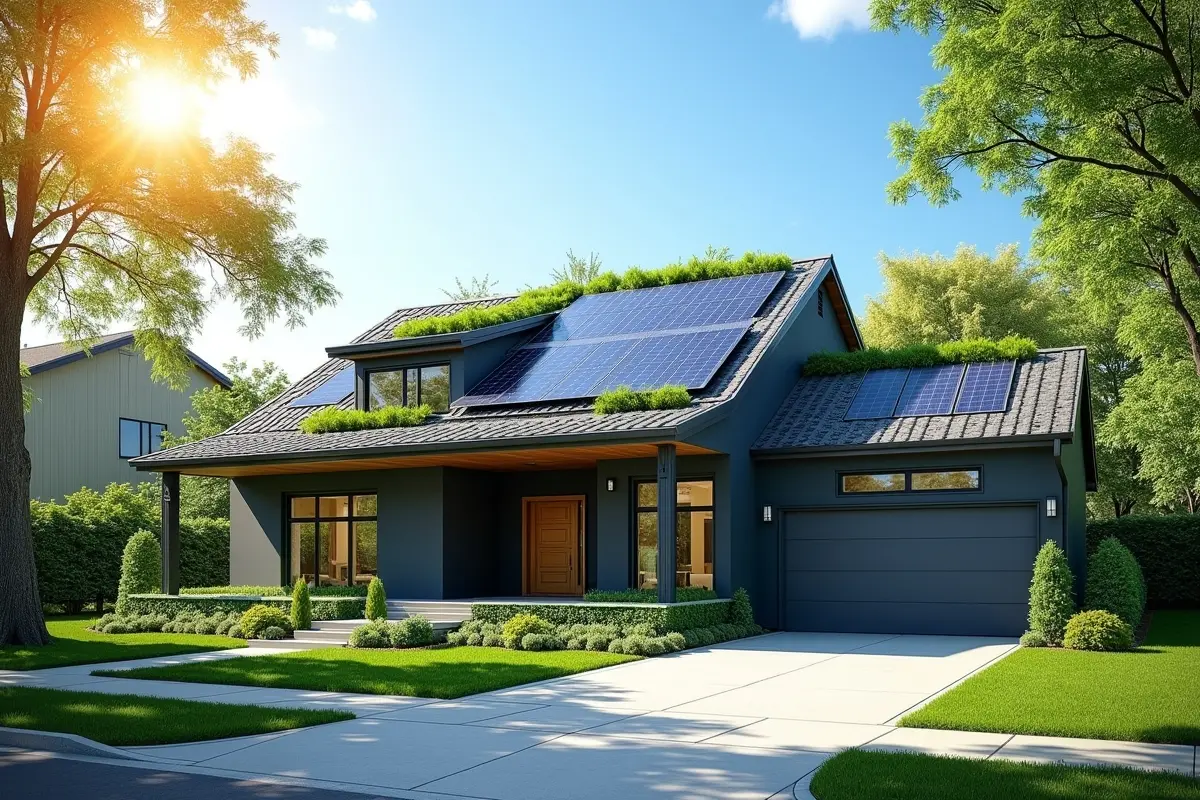
Energy-efficient homes and advanced roofing solutions save money and make living more comfortable. Choosing the right materials and design helps control indoor temperatures.
Proper insulation and ventilation reduce energy use. Reflective and durable roofs last longer and need less maintenance. Planning early ensures everything works together for efficiency.
Professionals can guide you to the best options for your home. Start using these solutions to make your home smarter and more sustainable.
Choosing the Right Roofing Materials
The choice of roofing materials greatly affects energy efficiency. Reflective or light-colored shingles can reduce heat absorption. Materials with high thermal resistance keep homes cooler in summer and warmer in winter.
Durable materials also extend the roof’s lifespan, lowering replacement frequency. Some materials are recyclable, adding an environmental benefit. Roof ventilation plays a key role in preventing heat buildup under the shingles.
Proper installation ensures that insulation and roofing work together. Regular inspections maintain energy performance over time. Consulting a roofing company in Chicago IL can help select the best materials for local climate conditions.
Insulation and Attic Design
Proper insulation is essential for energy-efficient homes. Attics are often the main source of heat loss or gain. Using high-quality insulation in walls and ceilings reduces energy usage. Radiant barriers in the attic reflect heat and improve comfort. Sealing gaps and leaks prevents unwanted air movement.
Insulation materials should match the local climate for best performance. Combined with advanced roofing solutions, insulation keeps homes at stable temperatures. Well-insulated homes require less heating and cooling, saving money. Attic design and insulation work together to enhance overall energy efficiency.
Roof Ventilation Techniques
Good roof ventilation prevents overheating and moisture buildup. Ridge vents and soffit vents promote airflow under the roof. Proper ventilation extends the life of roofing materials. It also reduces energy needed for cooling the home. Ventilation helps prevent mold growth in humid areas.
Strategic vent placement ensures even airflow throughout the attic. Balanced ventilation works best with reflective or insulated roofing. Regular maintenance keeps vents clear of debris. Proper ventilation enhances comfort and energy efficiency in every season.
Solar Integration Options
Integrating solar technology into roofing supports energy efficiency. Solar panels reduce reliance on grid electricity. Placement on south-facing roofs maximizes sunlight exposure. Roofs must support the weight of panels safely. Some roofing materials are more compatible with solar installations.
Combining solar with reflective or insulated roofs improves energy savings. Panels can also provide backup power during outages. Homeowners should consider long-term energy goals when planning installations. Solar-ready roofs make homes greener and more self-sufficient.
Water Management and Roof Drainage
Effective water management protects roofs and homes. Gutters, downspouts, and proper slope prevent leaks and structural damage. Water pooling can degrade roofing materials and insulation. Advanced roofing solutions include systems to redirect rainwater efficiently.
Green roofs can absorb rainwater and reduce runoff. Proper drainage reduces the risk of mold and interior damage. Regular cleaning ensures gutters and drains function well. Planning drainage during construction improves roof performance. Water management is a key factor in maintaining energy-efficient homes.
Roof Maintenance and Longevity
Regular maintenance ensures roofs remain energy efficient. Inspections detect damage before it worsens. Cleaning debris from gutters and surfaces prevents water-related issues. Minor repairs extend the life of roofing materials. Checking seals and flashings reduces air leaks.
Professional maintenance helps roofs perform optimally year-round. Energy-efficient homes rely on roofs that maintain insulation and ventilation. Proper care lowers long-term costs and energy use. Investing time in roof upkeep preserves comfort, safety, and efficiency.
Roof Shape and Home Orientation
The shape of the roof affects energy efficiency and home comfort. Sloped roofs allow for better water runoff and easier snow removal. Flat roofs may need additional insulation to prevent heat loss. Orientation toward the sun influences natural heating and lighting.
Combining roof shape with reflective materials improves temperature control. Proper roof design can reduce reliance on heating and cooling systems. Ventilation and insulation must match the roof shape for maximum efficiency. Choosing the right roof shape enhances both performance and aesthetics. Planning early ensures the roof design supports energy-saving goals.
Cool Roofing Technology
Cool roofing materials reflect more sunlight and absorb less heat. They help lower indoor temperatures during hot months. Light-colored or reflective coatings improve efficiency.
Some products are designed to last longer under harsh weather. Cool roofs reduce the energy needed for air conditioning. They can also decrease urban heat island effects in dense areas.
Maintenance ensures the reflective properties remain effective. Proper installation is essential to prevent leaks and energy loss. Cool roofing is a simple way to improve energy efficiency without major structural changes.
Energy-Efficient Windows and Skylights
Windows and skylights affect the home’s thermal performance. High-performance windows reduce heat transfer. Double or triple glazing can prevent energy loss. Skylights bring in natural light while minimizing heat gain.
Placement and shading help manage sunlight exposure. Sealing gaps around windows reduces drafts. Energy-efficient windows work best with insulated roofs. They contribute to a consistent indoor temperature. Choosing proper windows enhances both comfort and energy savings.
Roof Inspections and Repairs
Regular roof inspections extend roof life and improve energy efficiency. Checking for cracks, leaks, and loose shingles prevents major issues. Repairs maintain insulation and ventilation effectiveness. Early detection reduces the cost of extensive replacements.
Roof inspections are recommended at least twice a year. Professional assessments identify hidden damage or weak points. Maintaining the roof protects the home from weather and energy loss. Simple repairs can prevent structural and energy problems. A well-maintained roof ensures the home performs efficiently year-round.
Eco-Friendly Roofing Materials
Sustainable roofing materials reduce environmental impact. Recycled metal or shingles limit waste in landfills. Some products are made from renewable resources. Eco-friendly roofs often last longer and require less maintenance. They can improve energy efficiency through insulation and reflectivity.
Lightweight materials reduce stress on the home structure. Proper installation maximizes their benefits. Choosing sustainable options supports a greener home design. Eco-friendly roofs combine durability, performance, and environmental responsibility.
Design Energy-Efficient Homes with Advanced Roofing Solutions
Energy-efficient homes with advanced roofing solutions lower costs and improve comfort. Using the right materials, insulation, and ventilation makes a big difference. Solar panels and proper drainage add extra benefits. Regular maintenance keeps everything working well.
Planning ahead ensures long-term energy savings. These solutions make homes more sustainable and durable. Invest in smart roofing to enjoy comfort and efficiency year-round.
Should you wish to read more, visit our blog. We’ve got more topics!