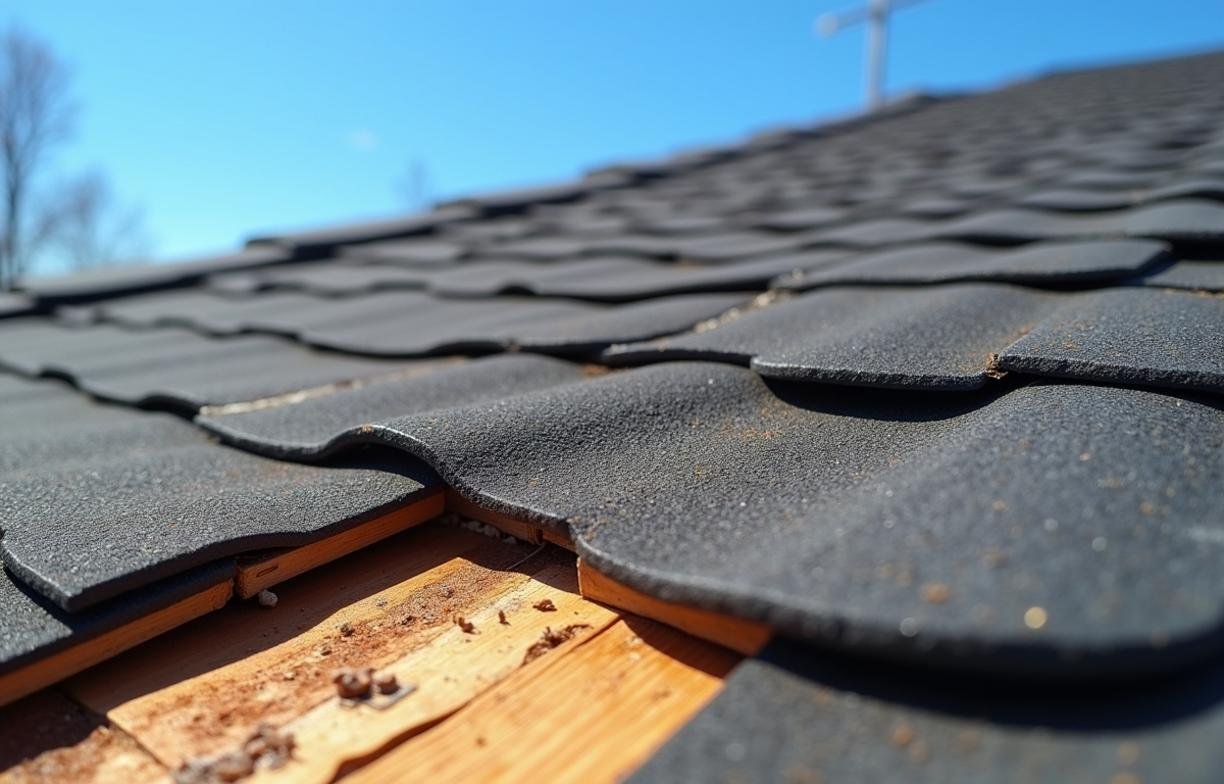
Many homeowners facing repairs or a replacement often consider how many layers of shingles can you put on a roof. The prospect of adding new material over existing shingles can seem tempting, especially for cutting costs and saving time. Yet, there are critical factors to keep in mind before stacking additional layers on top of an existing roof. Local building codes, the condition of your current roof deck, and safety considerations all play a crucial role. If these points are overlooked, you might end up with problems that affect your roof’s performance and lifespan.
Every region has its own regulations on shingle layers, and roofing contractors usually advise staying within those guidelines. It’s common to see people installing a second layer if the base layer is in top shape, but anything beyond that tends to raise concerns. In some areas, adding more than two layers may violate building regulations or void your roof warranty. The stakes are high because you want a solid, reliable covering that shields your home from the elements without compromising structural integrity.
Key Factors Affecting Multiple Roof Layers
Several variables determine whether it’s feasible to add another set of shingles on top of what you already have. Understanding these factors can help you make a safer, more cost-effective choice for your roof.
Roof Deck Condition
Before deciding on extra layers, it’s vital to evaluate the state of your roof deck. If the wood underneath has water damage or rot, adding more shingles only masks the symptom rather than addressing the root problem. You might notice soft spots or sagging sections. Those are strong indicators that your roof deck needs repair or replacement. When the deck is compromised, no number of layers will help in the long run.
Weight Constraints
Shingles have weight, and each additional layer increases the load your roof structure must bear. Although modern homes are designed to support a significant amount of weight, older houses might not handle multiple layers without risking structural trouble. If you exceed those weight limits, you could trigger serious stresses on rafters or trusses. It’s wise to consult with a roofing contractor who understands local building regulations and can calculate whether your home can withstand extra layers.
Local Building Codes
In many places, strict building codes are in place to regulate how many layers of roofing materials are allowed. Going beyond two layers sometimes conflicts with these rules and could result in penalties or forced removal. Inspectors often check for compliance when issuing permits for roof improvements. Adhering to these codes not only keeps you on the right side of the law but also ensures your roof remains safe and functional for years to come.
Typical Shingle Layer Limits
Rules naturally differ from one region to another, but many areas permit up to two layers of asphalt shingles. Adding a third layer is rarely recommended, mostly because of safety and durability concerns. If your current roof is already damaged or sports extensive curling and buckling, your best bet is usually a tear-off.
Many homeowners debate the financial trade-offs of layering versus removing old material. The quickest way might be to add new shingles over the existing set, but you’ll want to consider how that affects future roof inspections. Inspecting the roof deck becomes more challenging with every additional layer, and detecting hidden leaks or weaknesses might be delayed until a bigger problem appears.
Pros and Cons of Installing a Second Layer
You can think of adding a second layer of shingles as a short-term solution under specific conditions. It offers some advantages, but also carries risks.
Potential Advantages
One clear advantage is the immediate cost savings, since you skip the labor of removing the old shingles. A second layer tends to go on faster if the first layer is in excellent condition. This method can also keep your home protected during the installation, as there’s no window of exposure that comes with a complete tear-off. Labor expenses shrink, and the process might require fewer skilled workers on site.
Drawbacks to Consider
Despite the financial upside, stacking shingles can make it harder to detect future problems. If moisture seeps in between the layers, you may not notice until leaks become apparent inside the house. Multiple layers also drive up the roof’s temperature, which accelerates wear on the lower layer. Plus, if you postpone a tear-off now, you’ll likely face higher removal costs later, because dismantling two layers is more work than removing one.
When a Tear-Off is the Best Option
Sometimes, peeling away old material is the smartest route. A tear-off offers a blank slate for your roofing contractor to inspect the condition of the roof deck thoroughly and fix any underlying issues. This removes the risk of hiding rotted plywood or structural flaws.
Additionally, a tear-off extends the longevity of new shingles, because they bond better when laid directly on the roof deck. You also reduce the heat trapped between multiple layers, helping your attic stay cooler. While pricing varies, many contractors view a tear-off as the gold standard for ensuring a long-lasting roof.
Evaluating Roof Age and Condition
Roof age plays a big part in deciding whether to layer or tear off. If you already have a roof that’s approaching the end of its natural lifespan, adding new shingles over it might not be worth the investment. An aging base layer could have brittleness, granule loss, or hidden moisture damage.
Also, consider the type of asphalt shingles you have. There are architectural or dimensional shingles, which are thicker and weigh more. If your first layer is already a heavier grade, stacking another set of high-weight shingles could reach the limits of what your roof deck supports. Always keep in mind that local codes typically confirm whether a second layer is even an option.
How Roofing Inspections Can Help
Periodic roof inspections go a long way toward making an informed choice about layers. Professional inspectors use methods like thermal imaging or moisture meters to catch hidden issues. They can detect subtle signs that a single-layer roof might have underlying damage, or they can confirm that your existing roof is perfectly fit for another layer.
These evaluations are especially valuable if you’re buying or selling a home. A roof inspection can reveal concerns that influence a property’s value. It also ensures the next owner knows exactly what they’re getting, so there are no unwelcome surprises down the road.
Long-Term Maintenance for Multi-Layer Roofs
When you decide to add a second layer of shingles, you’ll need to refine your maintenance practices. Such roofs often need more frequent check-ups to confirm there’s no trapped moisture. Even a small crack or gap in the surface layer can let water seep down to the original shingles and cause gradual damage.
Regular cleaning of your gutters and roof surface also becomes more important. Debris buildup increases the likelihood of moisture retention between the layers. Monitoring the edge of the roof is essential too, because layering sometimes affects the drip edge or flashing. Addressing these details keeps your roof in top shape and extends its service life, even with multiple layers in place.
Spotting Early Warning Signs
Watch for curling, crumbling, or loose shingles on the top layer. These might mean the underlying layer is in distress too. If you see discoloration inside your attic, that could be a sign of a slow leak. Don’t let small signals grow into expensive fixes. Checking your roof regularly, especially after a major storm, is a proactive way to catch trouble.
Economic and Environmental Impact
Adding extra roof layers can have a ripple effect on both your wallet and the environment. While layering spares your budget initially by reducing labor costs, it may force a more extensive tear-off later, which increases waste. A single tear-off at the right time can be more eco-friendly compared to multiple partial fixes over time.
Additionally, disposing of shingles carries implications for local landfills. Some areas recycle old asphalt shingles or repurpose them in pavement projects. If your region supports these green initiatives, a one-time tear-off might be the more environmentally conscious approach. Doing so in coordination with a contractor who prioritizes recycling practices can reduce your carbon footprint while giving your roof a fresh start.
Tips for Making the Final Decision
Ultimately, whether you opt to install one or two layers comes down to your home’s current state, your budget, and local regulations. If your roof deck has random soft spots or underlying mold, you’ll want to do a tear-off without hesitation. If everything is solid and you’re aiming to save money, adding one extra layer might be fine.
Keep in mind that the roofing business is full of trusted professionals who can guide you through the process. It’s worth getting a second opinion if you’re uncertain. When trying to research more about maintenance techniques or advanced roofing materials, visit our page on roof care strategies, which outlines helpful steps for preserving your investment. By focusing on these areas, you’ll be far more confident in whichever route you choose.