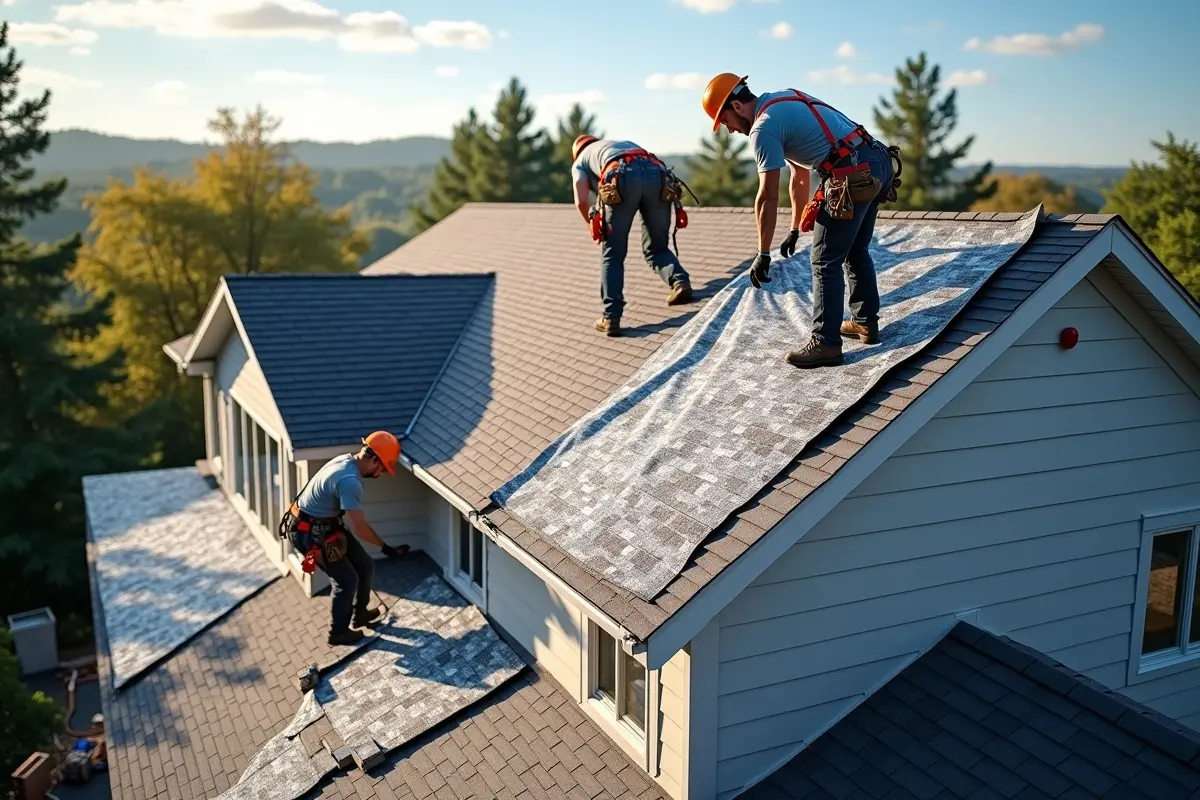
Replacing a roof isn’t something homeowners deal with often, but when the time comes, knowing what to expect can make the entire experience smoother and less stressful. A new roof not only protects your property from weather damage but also increases curb appeal and boosts long-term home value. Understanding how a professional roof replacement unfolds ensures you’re prepared, informed, and confident throughout the process.
Every roof replacement follows a structured approach. While methods may vary depending on materials and contractor practices, the core stages remain consistent. Below is a clear step-by-step walkthrough of what typically happens when you hire a roofing expert to replace your home’s roof.
Initial Consultation and Inspection
The first step begins with a detailed inspection. A trusted Roofing Contractor in Calgary, for example, understands local weather patterns and can tailor installation to withstand freezing winters, temperature changes, and strong winds.
The roofing specialist visits your property to assess the condition of shingles, flashing, gutters, ventilation components, and the underlying deck. The primary goal at this stage is to determine whether repairs are enough or if a complete replacement is necessary.
Once the inspection is complete, the contractor presents a written proposal outlining materials, estimated timeframes, warranty details, and pricing. This transparency helps homeowners make informed decisions before committing to the project.
When the proposal is accepted, the contractor schedules the project date. Weather, material delivery timelines, and roof size typically influence scheduling.
Planning and Material Selection
After scheduling, the next phase involves selecting roofing materials. Homeowners can choose from popular options like asphalt shingles, metal roofing panels, clay tiles, or synthetic materials designed for durability. Color, cost, longevity, and local building codes all play a role in the decision.
Permits are also secured during this phase when required by local regulations. A professional contractor ensures this step is handled correctly to avoid delays or compliance issues.
Preparing the Worksite
As the replacement date approaches, the roofing crew prepares the site. Protective coverings such as tarps are placed over landscaping, exterior furniture, and siding. This prevents debris from causing damage.
Next, a dumpster or hauling container arrives to collect old roofing materials. A smooth workflow and clean environment are priorities throughout the replacement process.
Removing the Old Roof
Tear-off is one of the most labor-intensive stages. The roofing crew removes old shingles, nails, underlayment, flashing, and any damaged decking materials. This exposes the underlying structure so the contractor can evaluate what lies beneath.
If rotten or weakened wood is discovered, it is replaced to ensure the new roofing system is built on a solid foundation. Skipping this step can lead to leaks and structural failure over time.
Installing the New System
Once the surface is prepared, installation begins. The first layer typically includes an ice and water shield or synthetic underlayment that acts as a moisture barrier. Proper ventilation systems and flashing are then installed to protect the most vulnerable areas, including chimneys, valleys, and vents.
The final step involves installing the chosen roofing material. Each component must be placed with precision to ensure durability. This stage requires skill, training, and attention to detail, which is why hiring a qualified professional matters.
Cleanup and Final Inspection
After installation is complete, the contractor conducts a thorough cleanup. Nails are collected using magnetic rollers, debris is removed, and protective coverings are taken down. The goal is to leave the property as clean as it was before the project began.
Finally, the contractor walks the homeowner through the finished work, reviewing warranties, verifying installation quality, and ensuring the homeowner understands maintenance expectations.
What to Expect After Completion
Once the roof is installed, the new materials take time to settle. Some minor granule shedding, especially with asphalt shingles, is normal. Homeowners should also take note of warranty guidelines and schedule periodic inspections to maximize the lifespan of the roof.
A properly installed roof should last decades with manageable maintenance. With the right contractor, materials, and preparation, replacement is a smooth process that dramatically improves long-term property protection.
Final Thoughts
A professional roof replacement follows a systematic process designed to ensure precision, safety, and long-term structural protection. From the initial consultation to final inspection, each stage plays a critical role in delivering a strong, weather-resistant roofing system.
Understanding the process makes it easier to communicate with contractors, evaluate proposals, and feel confident as the work unfolds. In the end, a new roof is more than just a home upgrade—it’s an investment in safety, comfort, and lasting value.
Meta Description (140 characters max):
Discover the complete professional roof replacement process, from inspection to final cleanup, and what to expect at every stage.