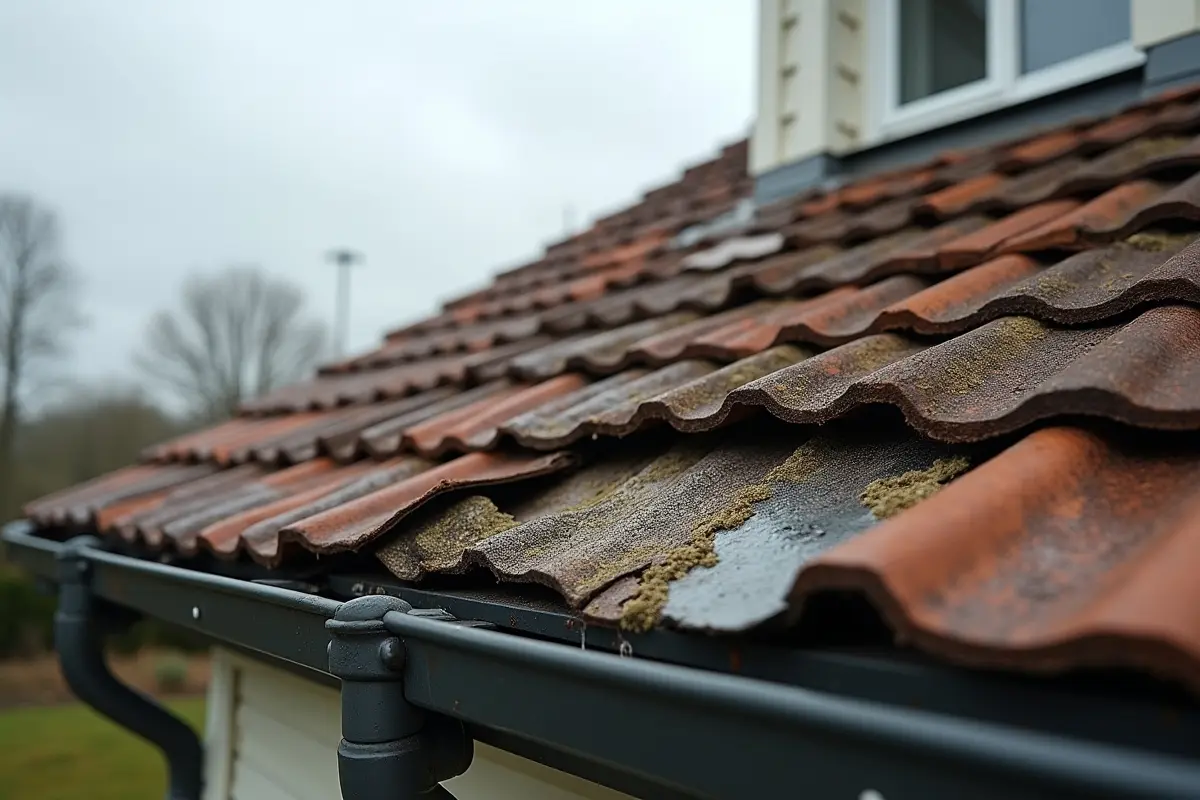
Your roof rarely fails all at once, it gives you signs along the way. The problem is, most of these signs don’t look urgent until the damage spreads. Small issues like missing granules, minor leaks, or subtle sagging often go unnoticed. However, knowing what to look for helps you act early, avoid bigger costs, and make a smarter decision about when repair stops making sense and replacement becomes the better move.
Shingles are visibly damaged or missing
When shingles start curling or buckling, it’s not just a cosmetic issue, it’s a structural one. The edges lift, and that creates small entry points for water. Once moisture gets underneath, it spreads quietly. You might not notice it immediately, but over time, it weakens the entire section of the roof.
Cracks and breaks tend to look minor at first, which is why people ignore them. However, even a small crack allows water to seep in, especially during heavy rain. Temperature changes make things worse, since expansion and contraction widen those gaps, turning what looked harmless into a much bigger issue.
According to a roofing contractor from Minnesota, granule loss is one of those signs people overlook, yet it tells you a lot. When shingles lose that rough, protective layer, they become more vulnerable to sunlight. You’ll often see uneven coloring or dull patches. That’s not just wear and tear, it’s your roof losing its ability to protect itself.
Missing shingles leave no room for interpretation. If a storm blows them off or they simply fall apart, your roof becomes exposed right away. Water doesn’t need an invitation, it just needs an opening. Even one missing shingle can lead to leaks, insulation damage, and more expensive repairs if you wait too long.
Your roof is approaching the end of its lifespan
Every roof comes with a rough expiration date, even if it doesn’t fail all at once. Asphalt shingles usually last around two decades, and once you get close to that mark, performance drops. It may still look fine from the street, however, the materials underneath often start breaking down long before visible damage appears.
Tile and metal roofs tend to last longer, but they don’t stay immune forever. You might notice subtle signs like fading, minor warping, or small areas of corrosion. These changes don’t always look urgent, yet they indicate that the roof no longer performs at full strength and will require more attention moving forward.
Warranty expiration quietly shifts all responsibility onto you. While the roof was under coverage, repairs and defects came with some protection. Once that period ends, every issue becomes your cost. At that stage, continuing to repair an aging roof often stops making financial sense compared to replacing it entirely.
Frequent repairs create a pattern that’s hard to ignore. One small fix turns into another, and then another. You see, these aren’t isolated problems; they’re symptoms of overall deterioration. Costs start stacking up, and instead of solving anything long-term, you’re just delaying the inevitable replacement.
Water damage and leaks inside the home
Water stains rarely appear overnight, and when they do show up, the problem has usually been there for a while. You’ll see discolored patches spreading across ceilings or walls, often growing slowly. That stain is just the visible part, because behind it, water has already traveled through multiple layers.
Mold and mildew in the attic don’t need much time to develop once moisture appears. These conditions create a perfect environment for growth, and the issue escalates quickly. It’s not just about structural damage either, since poor air quality can affect your living space in ways people often underestimate.
Dripping water during rain removes any uncertainty about the situation. Once water actively enters your home, the roof has already failed at its primary job. Waiting at that point only guarantees more damage, because every storm repeats the same process and expands the affected area further.
Damp insulation and rotting wood point to long-term exposure rather than a recent issue. You might not notice it right away, but these materials lose strength over time. As that happens, your roof’s internal structure weakens, making repairs more complex and increasing the likelihood that replacement becomes necessary.
Granules are accumulating in gutters
Granules collecting in your gutters act like a quiet warning sign that most people overlook. These tiny particles exist to shield shingles from sunlight, and once they start washing away, protection drops. It’s easy to dismiss them as dirt; however, their presence usually means your roof is wearing out faster than expected.
Downspouts often clog as granules mix with leaves and debris. Water stops flowing properly, which leads to overflow along the roof edges. That overflow doesn’t just disappear; it seeps into places it shouldn’t, creating additional stress on both the roof and surrounding structures.
Uneven roof coloring becomes more noticeable as granule loss progresses. Some areas hold their coating longer, while others fade quickly. This creates patchy sections that signal inconsistent protection. It may not seem urgent at first glance, yet it shows that parts of your roof are already aging at different rates.
Without that protective layer, shingles face direct exposure to UV rays. The material dries out, becomes brittle, and starts cracking more easily. At that point, repairs only address surface-level issues. The underlying problem remains, which is why replacement becomes the more reliable long-term solution.
Sagging or uneven roof structure
A sagging roof immediately suggests something deeper is going wrong beneath the surface. It’s not just about appearance, since dips and uneven sections usually mean the supporting structure has weakened. Once that happens, the problem doesn’t stabilize; it continues to worsen as weight and pressure build over time.
Structural weakness often develops in areas where moisture collects repeatedly. Wood components absorb that moisture and gradually lose their strength. You may not notice anything early on, but eventually, the roof begins to shift. By the time sagging becomes visible, the internal damage has already progressed significantly.
Pooling water adds another layer of stress to the situation. Instead of draining properly, water settles in low spots and lingers there. That constant exposure accelerates deterioration and increases the load on already compromised sections. Over time, this cycle pushes the structure closer to failure.
An uneven roofline stands out when you look at your home from a distance. A properly functioning roof should appear straight and consistent. When it doesn’t, it usually means something has shifted beneath the surface. That visual cue often signals that repairs won’t be enough and that replacement should be considered seriously.
Wrap up
A failing roof doesn’t stay a small problem for long. What starts as minor wear usually turns into structural damage, leaks, and rising costs if ignored. You see, the key isn’t reacting late; it’s recognizing patterns early. If multiple warning signs appear at once, it’s rarely worth delaying. Replacing your roof at the right time protects your home, saves money in the long term, and removes the constant risk hanging over your head.